
Redeem Your Firstborn Son ◇ Pidyon HaBen for the Great-Grandson of Our Teacher, the Rav shlit"a
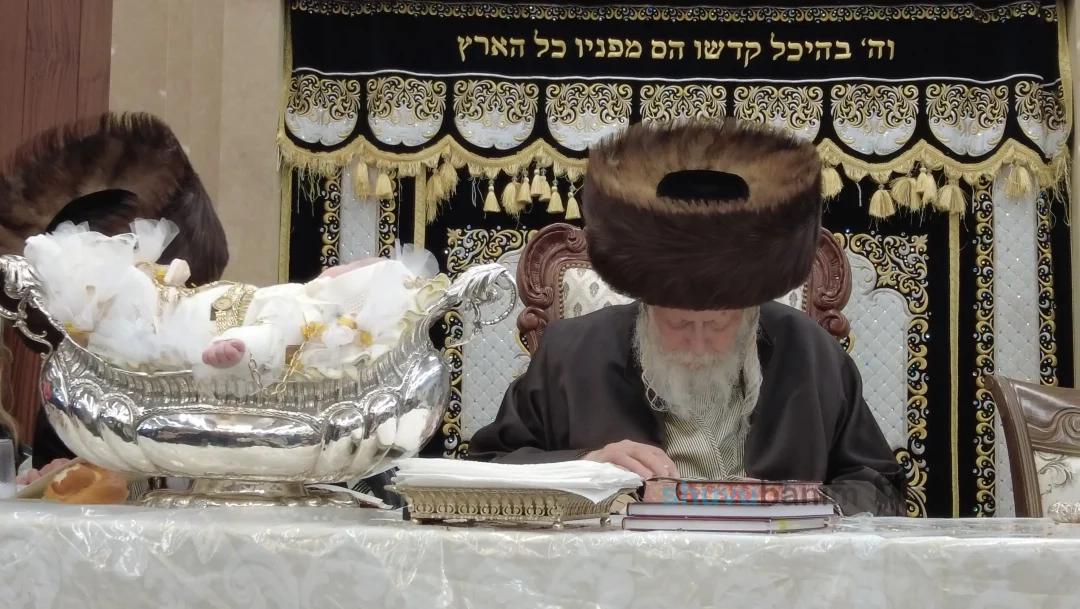
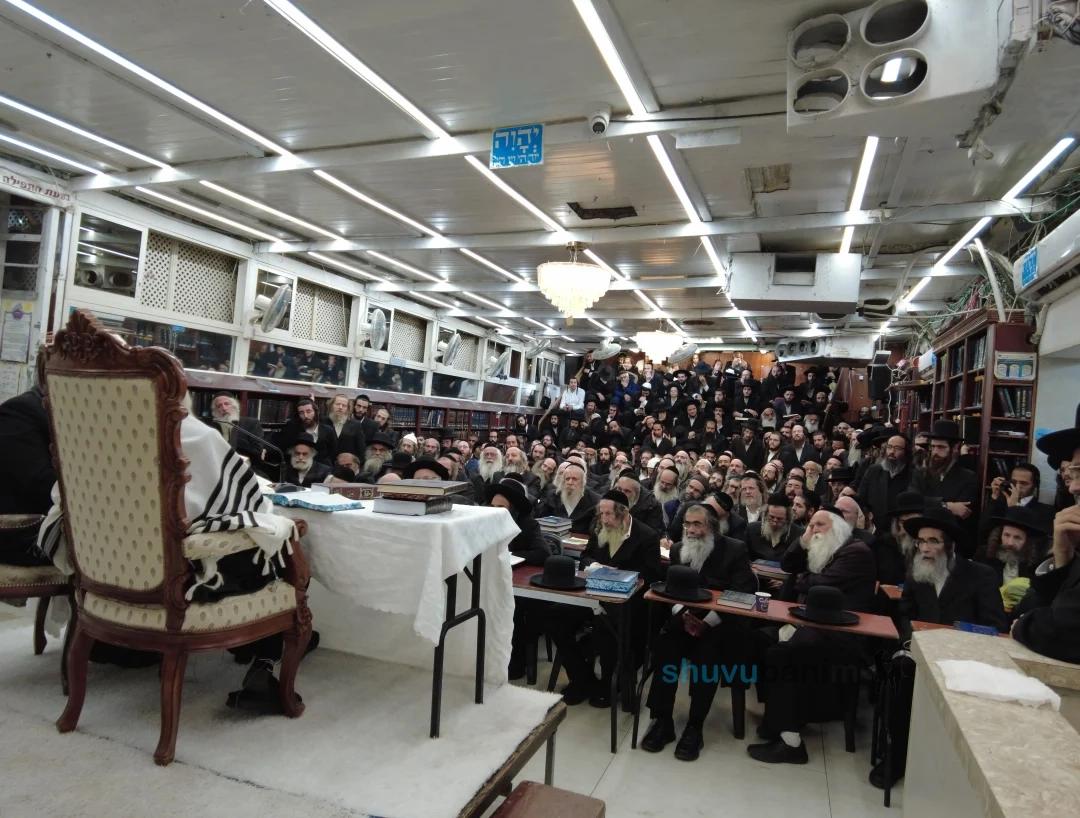
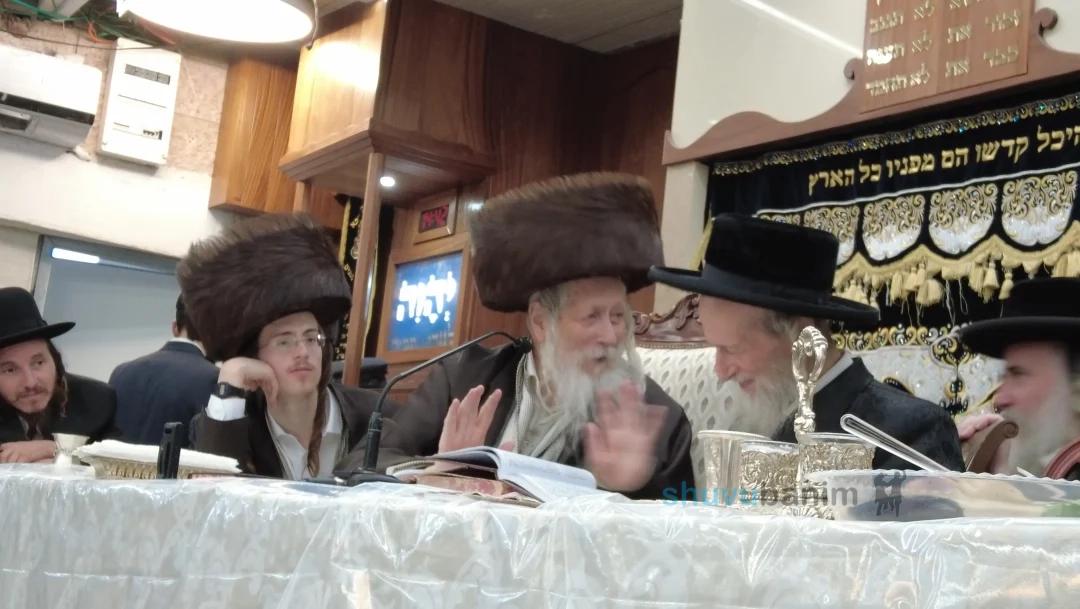
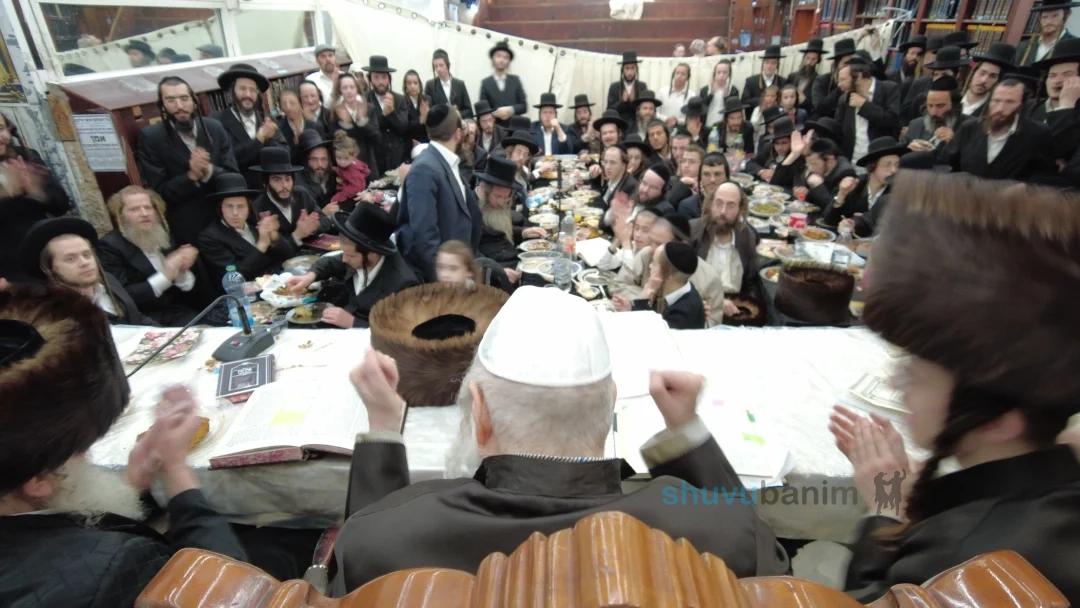
On Wednesday, the 13th of Kislev, the ceremony of Pidyon HaBen was held for the great-grandson of our teacher, the Rav shlit"a, in the hall of our Beit Midrash.
The Pidyon HaBen ceremony was held for the newborn Nathan n"y, son of R' Nachman Galinsky, son-in-law of R' Moshe Galinsky shlit"a, the son-in-law of the first grandson of our teacher, the Rav shlit"a – R' Nachman Zucker shlit"a, son-in-law of the influential R' Yehoshua Dov (Ber) Rubinstein shlit"a.
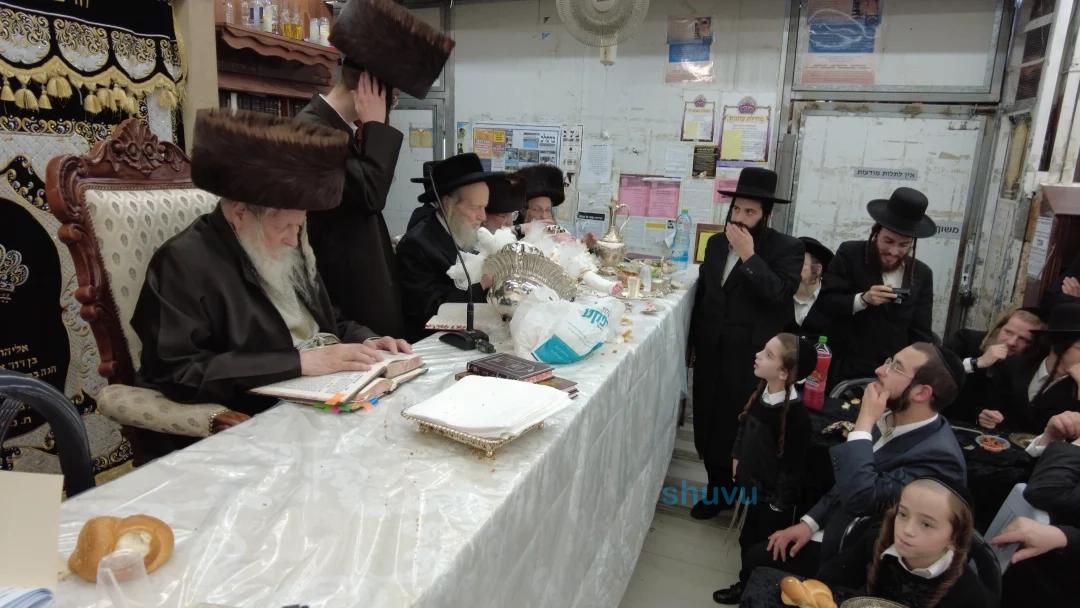
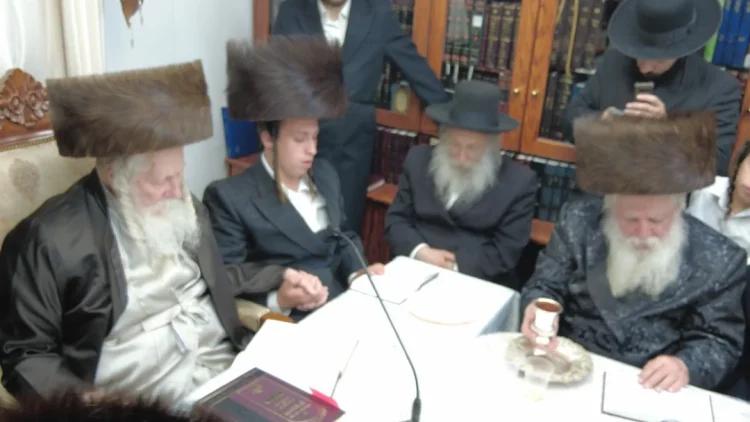
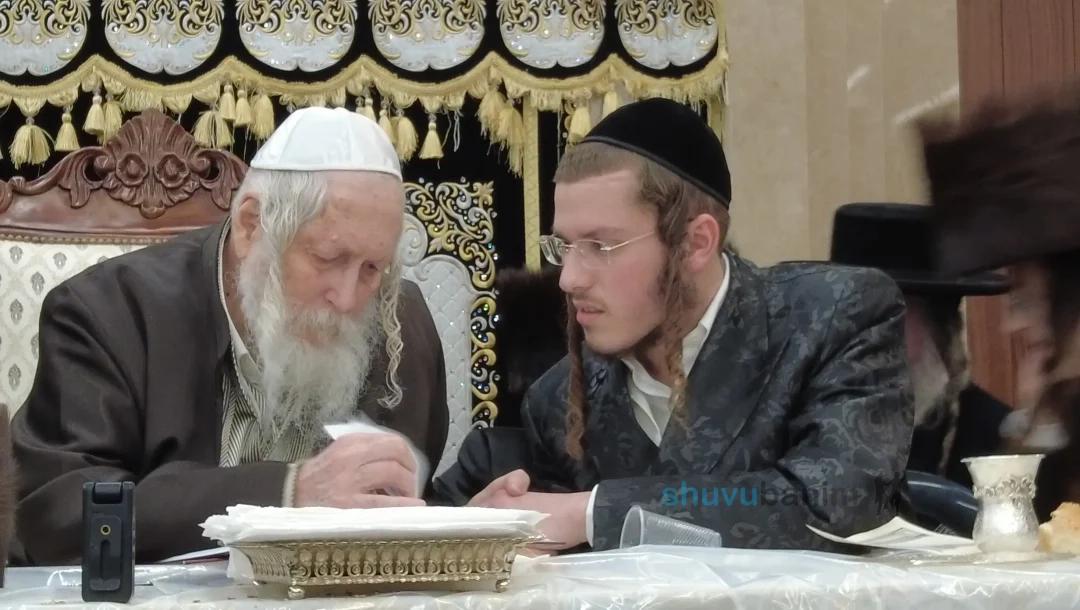
Upon the entrance of our teacher, the Rav shlit"a, to the ceremony, his great-grandson, the father of the son, R' Nachman Galinsky, performed the rare mitzvah of Pidyon HaBen, with the two blessings and the transfer of the five selaim into the hands of the distinguished Kohen – the halachic authority, Rabbi Yitzchak Isaac Kahana shlit"a. Afterwards, Rabbi Kahana blessed over the vine and blessed the redeemed firstborn with the Priestly Blessing.
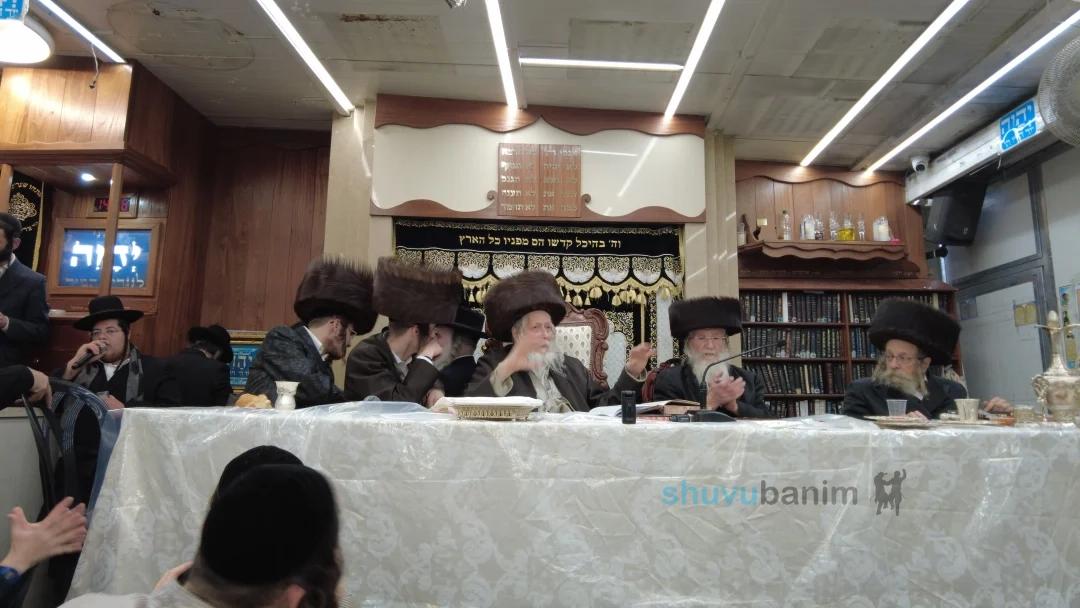
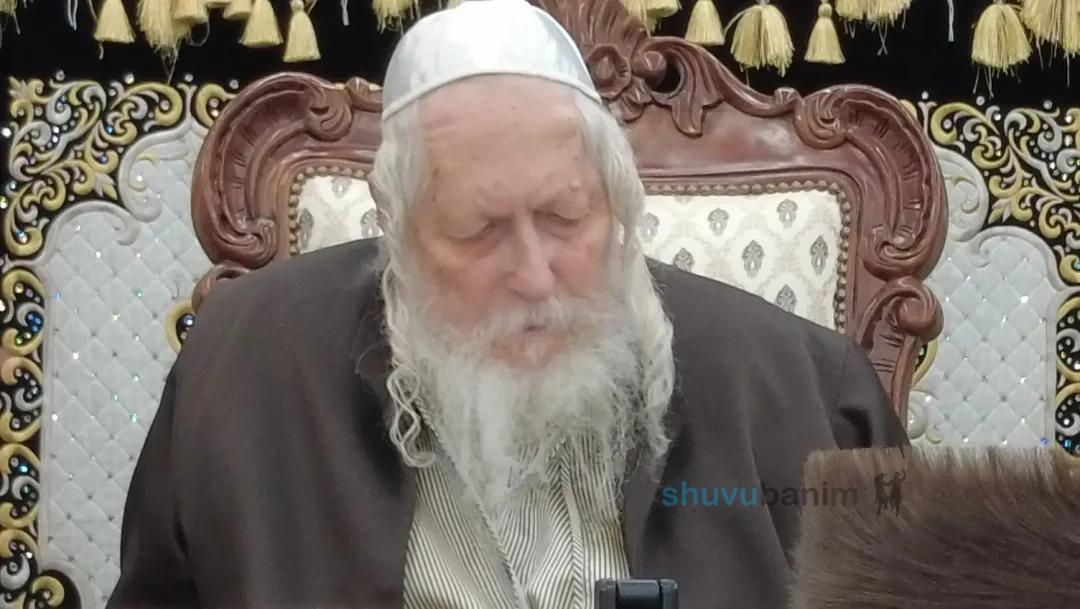
Upon the completion of the Pidyon HaBen mitzvah ceremony, all participants sat down for the Pidyon feast, which is equivalent to 84 fasts. During the feast, the great-grandfather, our teacher, the Rav shlit"a, delivered his holy discourse for nearly half an hour. At the end of the lesson, our teacher, the Rav shlit"a, requested the halachic authority, Rabbi Y. Kahana shlit"a, to say a few words. Rabbi Kahana began his words with a novel insight from the parsha "And he sent angels before him," indicating that when a Jew is pursued, angels descend from heaven to assist him, thus hinting at the terrible persecutions our teacher, the Rav shlit"a, has endured in recent years.
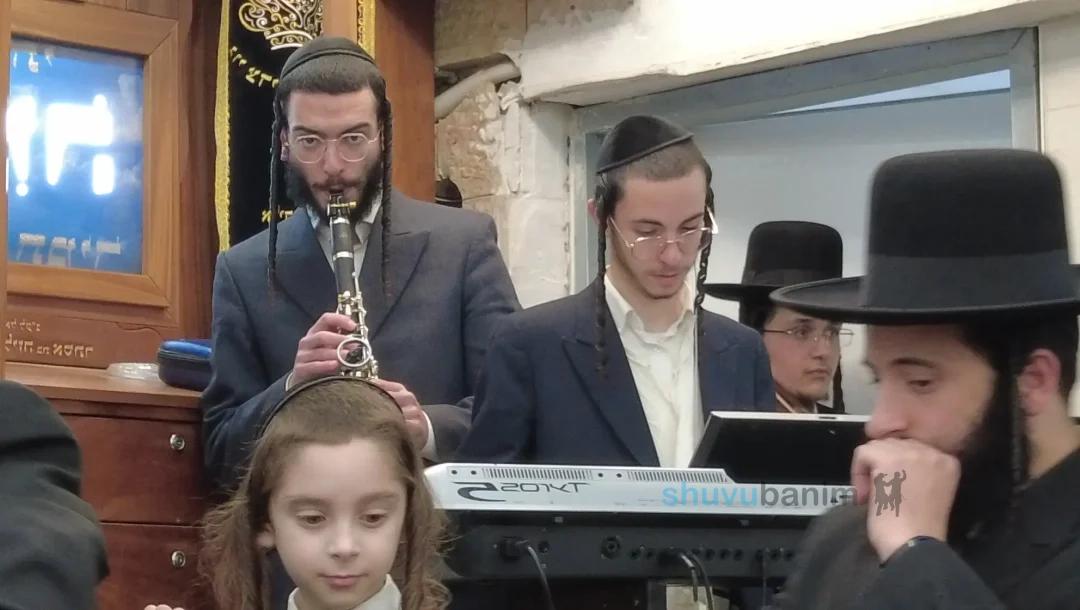
After Rabbi Kahana's words, our teacher, the Rav shlit"a, began singing and dancing with great vitality, which lasted for over an hour and a half (!) At the conclusion of the Pidyon feast, during the Grace After Meals, the Sheva Brachot was also conducted by our teacher, the Rav shlit"a, for the esteemed groom R' Mordechai, son of R' Pinchas Bik shlit"a. After nearly three hours, the Pidyon HaBen and Sheva Brachot ceremony concluded.
From here, one blessing is customary to our teacher, the righteous Rabbi Eliezer Berland shlit"a, that he may merit to extend his days over his kingdom in goodness and pleasantness and merit to see generations upon generations of upright and blessed descendants, a living and enduring seed, with health and superior light until the arrival of Yinon and our king at our head, Amen!
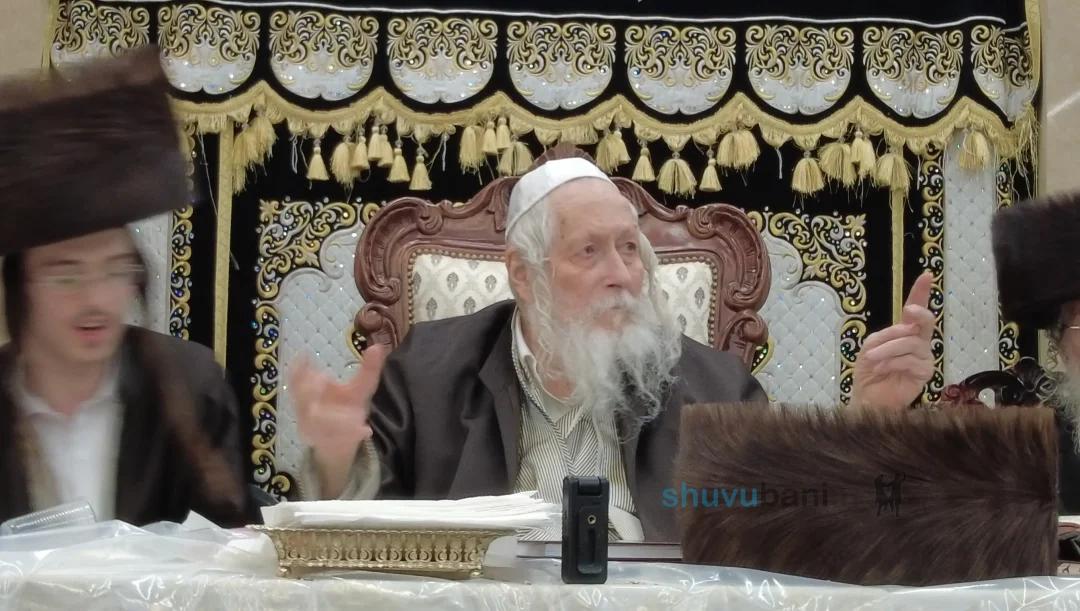
Here is a summary of the holy discourse of our teacher, the Rav shlit"a, during the ceremony:
- The revelation of the Infinite Light in Pidyon HaBen: Every firstborn is a vessel for drawing down the Infinite Light, "Eye to eye they will see when Hashem returns to Zion."
- The gematria of firstborn (228) together with the four fillings of the Name Havayah (72, 63, 45, 52) which total 232 – the aspect of "heart," the revelation of all four names.
- The concept of "Rav" and "Rav Koach" as a hint to the name Av, which is not recognized until the aspect of Yosef the tzaddik is revealed.
- The number Yosef (156) completes to 501–502, the aspect of "Blessed Mordechai" and "Cursed Haman" – linking between Chanukah and Purim.
- Pidyon HaBen reveals the aspect of Mordechai and his sons: "361" and "his sons = 70", numerically linking Mordechai–Esther and Mattityahu–his sons.
- The secret of the goblet: "Goblet" hints to the 13 Attributes of Mercy and the Name 72 (36), connected to Mordechai and Esther.
- The goblet with Yosef as a tool for clarifying the tribes – "divining he divines" – reveals the hidden and effects the clarification.
- The matter of money: the brothers brought ten sacks full for a long sustenance, not for daily purchase – clarifying the value of the money they brought to Egypt.
- The brothers' claim: "Also the money we found we returned" – the question why they would steal a goblet whose value is small compared to their money.
- The goblet "says" who is who – reveals Yosef's place, and the order of clarifying the brothers.
- The power of Yehuda's cry – overturns the order of the world, as told in the Sages about the fall of Egypt's heroes in panic.
- All the lights of the firstborn reveal Avraham–Yitzchak–Yaakov and the aspect of "dust–ashes," and the building of all the broken.
- The words of the Baal Shem Tov that the whole Torah is "turned upon turned" – such as "Go forth from your land…" versus Avraham's response "only to my land."
- Lavan searched for a "needle" in Yaakov's house and found nothing – a hint to the attempt to find a flaw in Yaakov that failed.
- Yehuda son of Yaakov, with one cry overturns the heads of heroes.
- The connection Yosef–Mordechai–Esther–Chanukah: the numbers of the names are equal, and the revelation is one.
- Pidyon HaBen and the goblet: the goblet does not have true economic value compared to the great money they brought – therefore it is clear it is not "theft."
- The plot of the goblet: the brothers understood that Yosef seeks a plot – but Yosef aims for the building of all the tribes.
- All the trials the brothers went through are part of the revelation of the "upper clarification."
- In Parshat Vayetze: Eliezer thought Avraham was mistaken regarding his daughter; the Kotzker reveals that in the repetition of the word "perhaps" lies Eliezer's desire that he take his daughter – to me.
- "Gardens of tzaddikim": if the grandfather was a tzaddik – the power awakens even after generations of wicked; and in Eliezer this root is missing.
- Rome and Ishmael: two forces that will not completely destroy the world – just as Hashem established two brothers (Romulus and Remus) to found Rome.
- "I did not know": Yaakov Avinu saw in the dream the chariot – lion, eagle, cherub, and man – hinted at in the word "I," and did not know it accompanies him always; therefore he said "I did not know," that he did not know the chariot rests upon him in all his journeys.
- Pride brings down kingship – the Bat Ayin writes "his kingship shall be lifted" – his kingship shall be taken. Because if there is "lifting" – if there is pride, then the kingship is taken.
- This is why the Hasmoneans lost their kingship as Ramban states. Because they were supposed to remain in the priesthood and not seek kingship.