
They’re Sending You a Messenger to Save You from Death
Daily Chizzuk by Rabbi Eliezer Berland Shlit”a
There are moments when heaven and earth meet – simple moments in appearance, like a knock at the door. A Jew who merits to hear the voice of a poor person is in truth hearing a gentle call from the upper worlds. The small act of giving, specifically when it is difficult or when one is lacking, opens gates hidden from the eye. The following story reveals how fine the thread is that connects simple kindness with entire destinies.
Sunday, 12 Sivan 5785 – The Daily Chizzuk by Rabbi Eliezer Berland shlit”a
When a poor person knocks on your door, they’re sending you a “dorona miskena (the gift of a poor person)”
This was the story of Nachum Weissfish [Rabbi Nachum Weissfish z”l, a member of the Mea She’arim community and one of the farmers of Meir Shfeya. He worked to unite the hearts of the Old Yishuv with the members of the working settlements and pioneers. His murder by Arab rioters in 5698 (1938) was a harsh blow that opened the way for agricultural settlement in Shfeya.]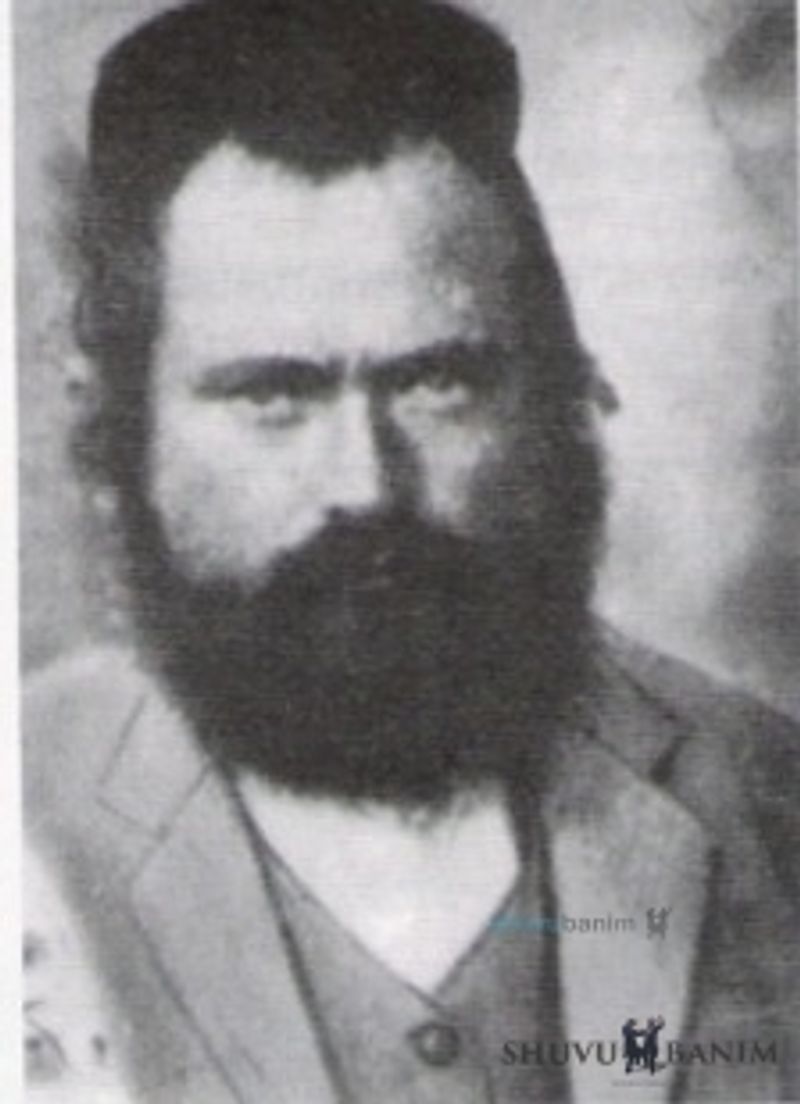
Afterwards, Nachum Weissfish regretted and said, “It doesn’t matter, he’ll return the change to me another time,” but he couldn’t find the pauper again. On that Motza’ei Shabbat that he missed the pauper, he was murdered.If someone knocks on a person’s door [to ask for tzedaka], one needs to immediately run with a shekel, ten shekels – something. “Let not the downtrodden turn back in shame, [let the poor and destitute praise Your Name]” (Tehilim 74:21). At least give him one shekel. An ashamed, downtrodden person – they send him a gift of a poor person [dorona miskena]. They send him a poor person as a gift in order to sweeten the judgments. If they send a person a pauper who knocks on the door, he might have a decree of death on him that day, or on his child. His child crosses the street, and a car runs him over.
Subscribe to Our Newsletter
Receive Torah articles and inspiration directly in your inbox